



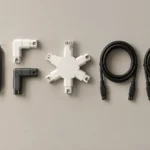

Customization
Sample & Specification Process
Why both
A sample shows it; a specification keeps it
A photograph of a sample is not a specification, and a specification without a sample is a promise. Customized and developed orders use both: one object to look at, one document to produce against.
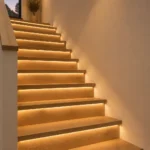
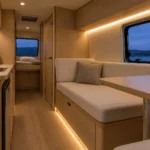
The sample settles what words cannot — how the light sits in the cavity, how a switch feels, whether a label reads at arm's length. The specification settles everything that has to be repeated on every piece after the first.
The sample is charged for and the fee is credited against the production order that follows. The amount and the terms are stated with the quotation, per project.

The sample loop
Five steps, and a stop at each one
The loop is short on purpose. A point that is wrong is cheaper to correct on a sample than on a production run, and it is recorded so it is not repeated.
-
01
Request and basis
The model, the changes and the quantity. We answer with the sample terms, the cost of the sample and what it will show.
-
02
Sample built
The sample is made to the listed changes and marked with the version it represents.
-
03
Your review
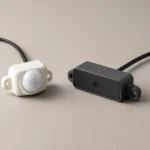
Size, light, colour, sensing, cable, fixing, branding — checked in the installation or against the drawing.
-
04
Revision if needed
A point that is wrong is corrected and a new version is issued. Revisions are recorded, not swapped in silence.
-
05
Approval
You approve the sample and the specification together, in writing. That pair is what production is measured against.
The document
What the specification covers
Ten points, written for the model you are ordering. Nothing on the list is left to the drawing, the email or the memory of whoever was on the project.
- The model, and the version of the specification it belongs to.
- Dimensions and tolerance.
- Material and finish.
- Colour temperature and brightness.
- Electrical parameters: voltage, driver and connection.
- Sensing and control.
- Cable, plug and connector.
- Mounting and fixing.
- Branding: logo, label and manual.
- Packaging and carton.
Version control
One model, one document, one version at a time
A specification that changes without a record is worse than none. Every change to a model produces a new version, and production names the version it is built to.
- One document per model
- Each model carries its own specification, not a paragraph in a quotation.
- A change makes a version
- A corrected dimension or a new label does not overwrite the document; it becomes the next version.
- Production names a version
- The order refers to the approved version, so a repeat order can be checked against the same document.
- Both sides hold it
- You and we keep the same approved version; a disagreement is settled against it, not against the conversation.
- Samples stay traceable
- A sample carries the version it was built to, so the sample in the drawer still says what it is.
A quotation states the model and the version it was written against. If the requirement moves after that, the version moves with it and the price is checked again.
Approval
What the sample decides, and what it costs
Approval is one moment, and it is written down. Up to that point a project can still change; after it, the reference is fixed.
-
01
Approval comes before volume
Customized and developed orders go to production only after the sample and the specification have been approved by the customer, in writing. Volume following a conversation is not how an order is confirmed.
-
02
The sample is paid for
A sample is a small production run, so it is charged. The fee is credited against the production order that follows the approval, on the terms stated in the quotation.
-
03
The sample is the production reference
What you approve is what the run is checked against — light, finish, fixing, branding and packaging. A later change is a new version, not a note in the file.
Where it fits
The same process on every route
A catalogue model ordered as it is can skip the sample when the model and its specification are confirmed in writing. Light customization, OEM and development do not skip it, because each one changes something that has to be seen.
Compare all four ways Light customization OEM & private label ODM product development Common questions
Next step
Ask for a sample on a named model
Send the model and the points to change. You get the sample terms, what the sample will show, and the specification points that still need a decision.